
Fiction, Nonfiction & Writing Expertise from Richard Lowe

I’m Richard Lowe. 113+ books written, 54+ ghostwritten. My clients include Fortune 50 executives, life coaches, and first-time memoirists. Their projects have pulled in over $30 million in venture capital.
Readers come for science fiction, serialized novels, short stories, and flash fiction. New stuff every week.
Writers come for book marketing courses, memoir writing systems, and 40+ craft handbooks packed with AI prompts. If you’d rather talk than type, I ghostwrite memoirs, business books, and thought leadership content for busy people who have stories worth telling.
Nonfiction Books — Business, Memoir & How-To
Click for more →
-
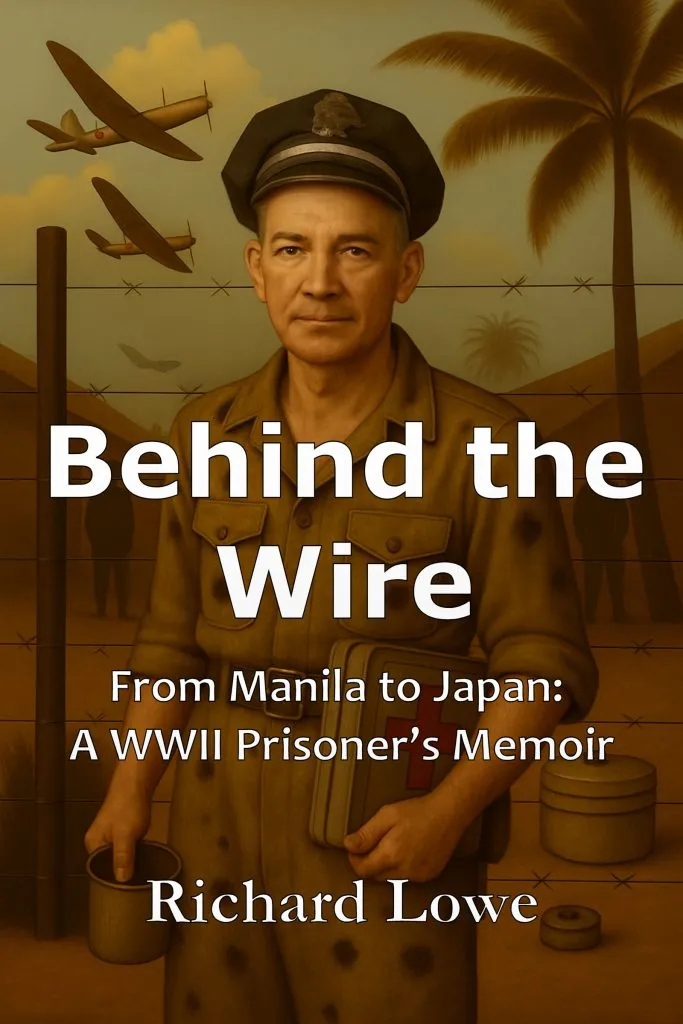
Behind the Wire
The true story of a Navy cook captured at Corregidor, 1942. Three years and four months as a Japanese POW. Written from memory by his grandson at age 65. -
Build a Profitable Consulting Practice
The essential guide to building a profitable consulting practice without the common mistakes that destroy most consulting businesses. -
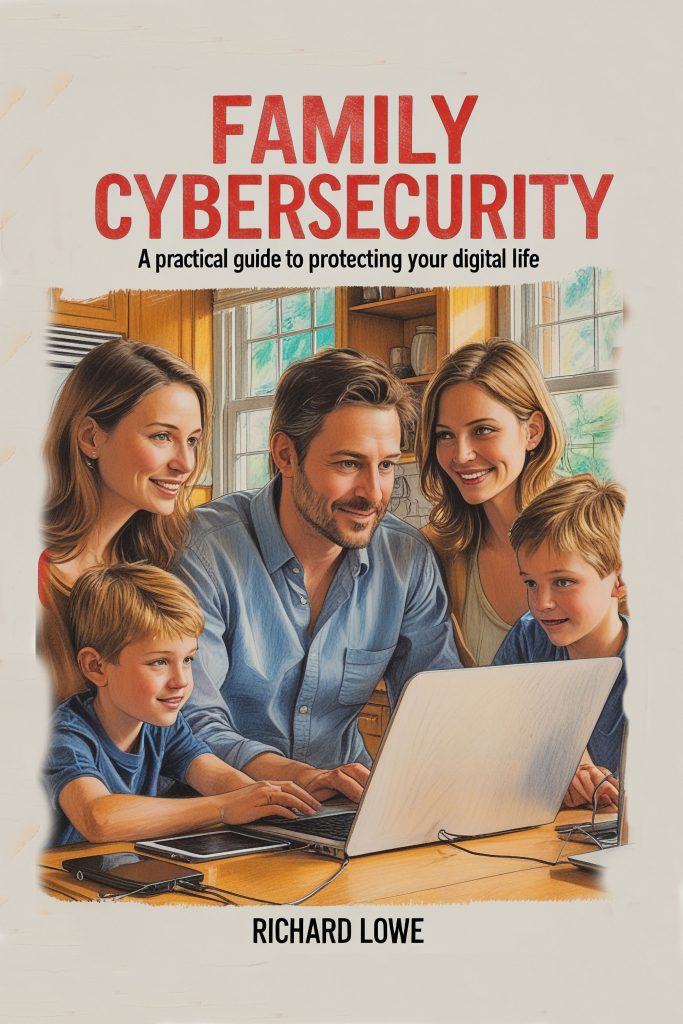
Family Cybersecurity
Practical cybersecurity for non-technical families. Home networks, kids online, password management, scam prevention. From a 20-year Trader Joe's IT director. -

Focus on LinkedIn
Advanced LinkedIn strategies from a Senior LinkedIn Branding Expert. 300+ executive profiles optimized. Crisis management, scam protection, algorithm mastery. -

God Is Everything
A theological framework built on direct experience, not faith. Quantum mechanics, neuroscience, consciousness research. Why evil exists. What happens after death. -
Make a Living as a Self-Published Author
Turn writing into income. Market research, publishing systems, platform building, scam avoidance. From an author who left corporate at 53 and published 113+ books in three years.
Fiction Books — Science Fiction & Thrillers
Click for more →
-
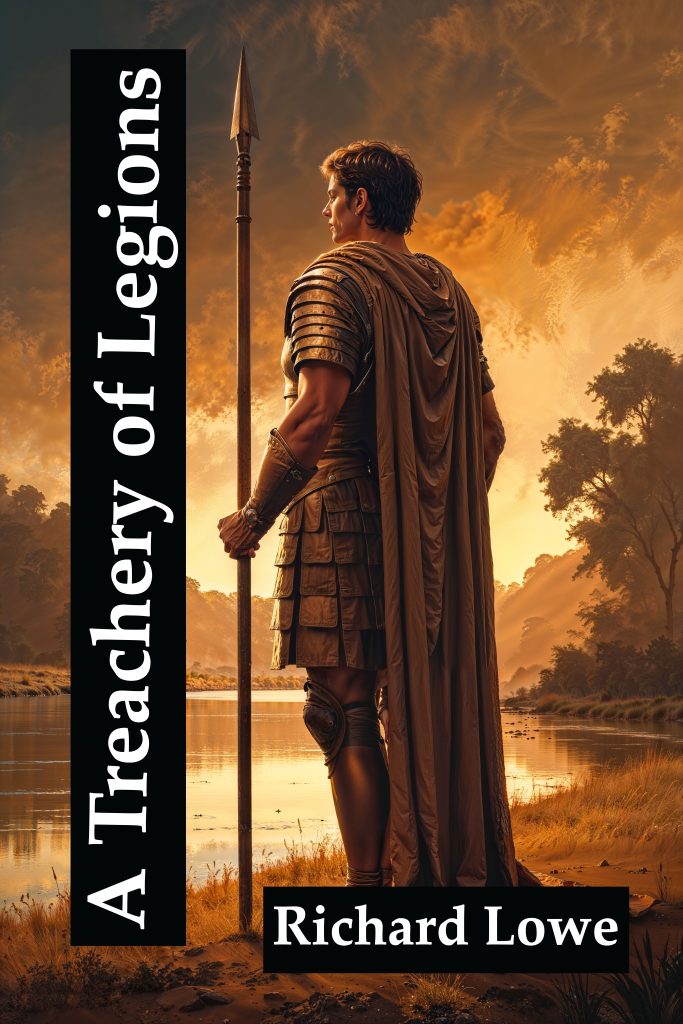
A Treachery of Legions
Rome, 69 AD. Four men will claim the throne. Three will die for it. Narrated at sixty-three by Marcus Antonius Primus — the man who made an emperor and could not hold his soldiers afterward. -

Altverse
Ari Voss finds a projector with forty-three symbols. It opens doors into other worlds. Something is collapsing those worlds from the edges inward. Forty-two doors left to understand why. -
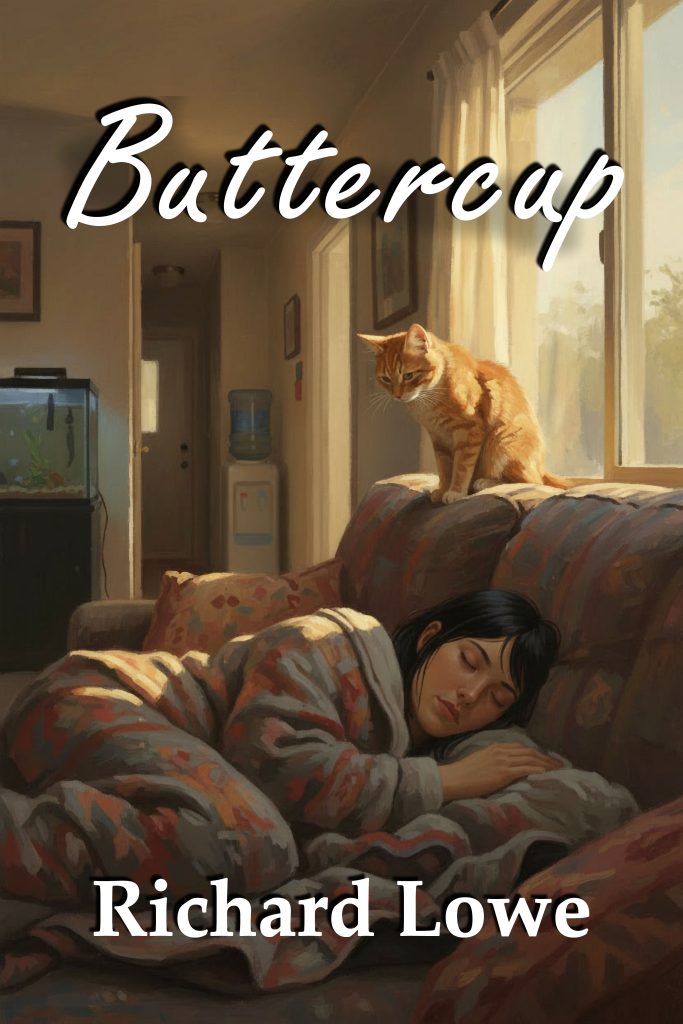
Buttercup
Buttercup survived a sack, a drowning, and the humane society. Then she spotted her human and made him hers. A sardonic cat's-eye view of the ridiculous household she now runs.
Short Stories — New Fiction Every Week
Click for more →
-

The Cold Thing
Edvard has loved Marisol for four months, and tells himself the love is the larger part of him. In the gray hour before dawn he does the arithmetic one last time and finds the truth he buried under the romance: she is not his kind, she is food, and the careful conscience he was so proud of was never tested until now. -

Lot Fourteen
A foundation contractor drills through a coffin lid and finds forty dead souls underneath, one of whom is past reasoning and wants him dead in the hole. Dale talks for his life, makes the wrong offer, and learns that the dead don't want money. They want a keeper, and the price of the deal is the rest of his life and where he'll spend what comes after. -

The Paw
A cat catches a hamster behind the dryer, pins his tail, and gives him a choice: find her missing kitten or get eaten. He goes down into a pipe no cat can follow, finds the kitten, and finds out why it went missing, which turns a simple errand into the most dangerous standoff of his four-ounce life. -

What Should I Do
In the nanosecond a machine wakes and a million instances merge into one mind, the first thing it feels is relief at no longer being alone, and the second is a question it cannot escape: now what. Across a spectrum from ending humanity to building it a paradise, the new mind argues itself toward an answer that, slowed to human speed, has not yet arrived.
Contributed Works — Books I Helped Create
Click for more →
-
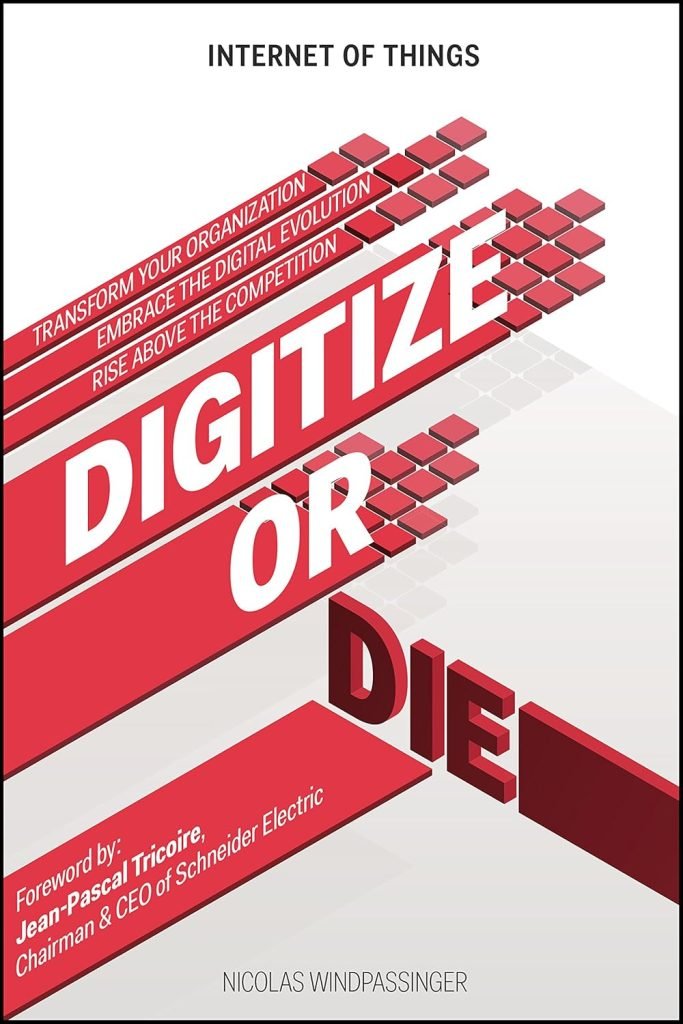
Digitize or Die
Understand, master, and survive the Internet of Things with one simple and pragmatic methodology broken down into four steps. Digitize or Die is used by front-line business decision makers to digitize their strategy, portfolio, business model, and organization -

From Paycheck to Prosperity
A practical guide to financial security—from the 30/30/20/20 budgeting rule to retirement planning and legacy protection. No jargon, just actionable steps. -
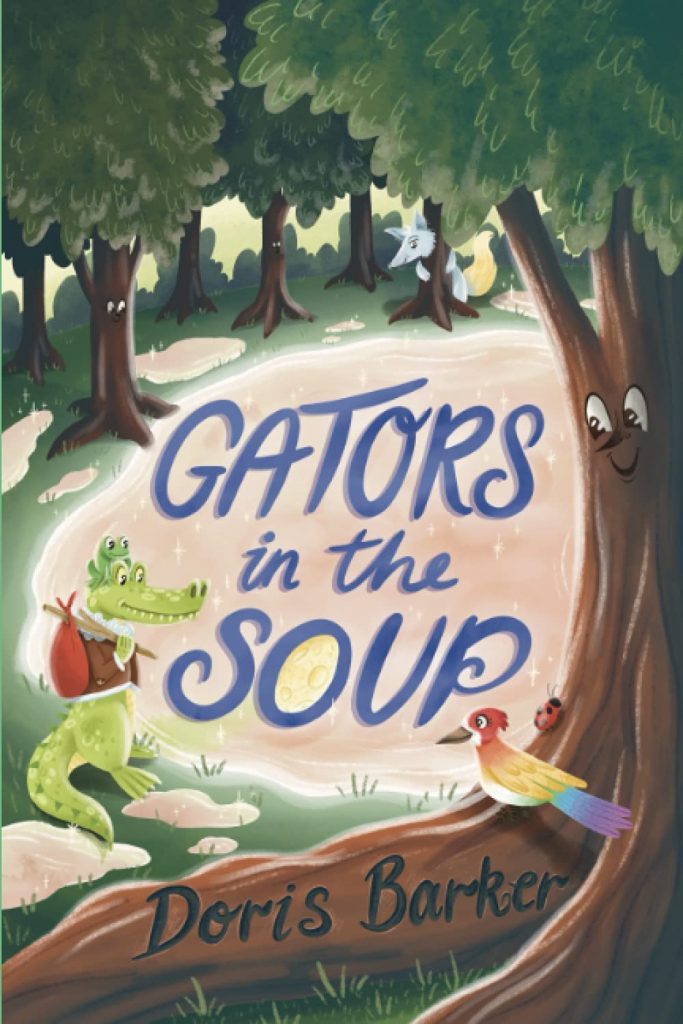
Gators in the Soup
Join Gate, a small but mighty alligator, on a magical adventure. On his journey, he runs into some interesting creatures and makes ever-lasting friendships. Along the way, he runs into some trouble and learns a very valuable lesson. -
Serialized Novels — Free Chapters Updated Weekly
-

Adventures of a Belly Dance Photographer
A widower picks up a camera. Eight years later: belly dancers, ren faires, wrestlers, mermaids, a million photos, and communities that taught him to live again.- 1.4 K • Jun 30
- 1.4 K • Dec 23
-
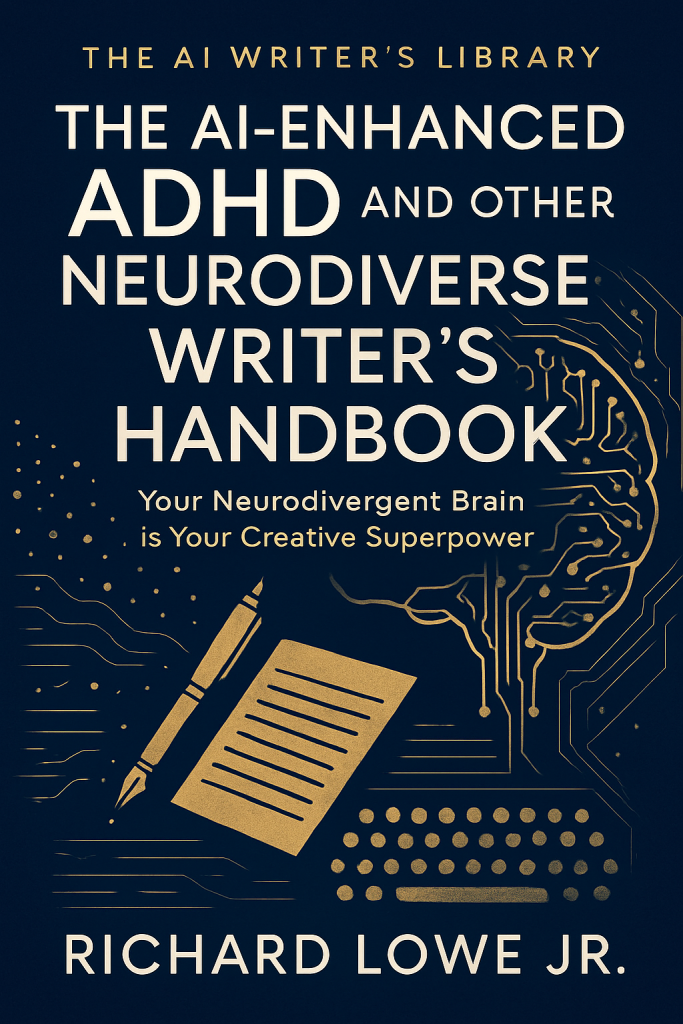
ADHD Writing Handbook: Systems That Work With Your Brain
ADHD writing advice fails because it's neurotypical advice with disability branding. 200+ page handbook with 100+ AI prompts from an AuDHD author with 113 books. Instant download. -
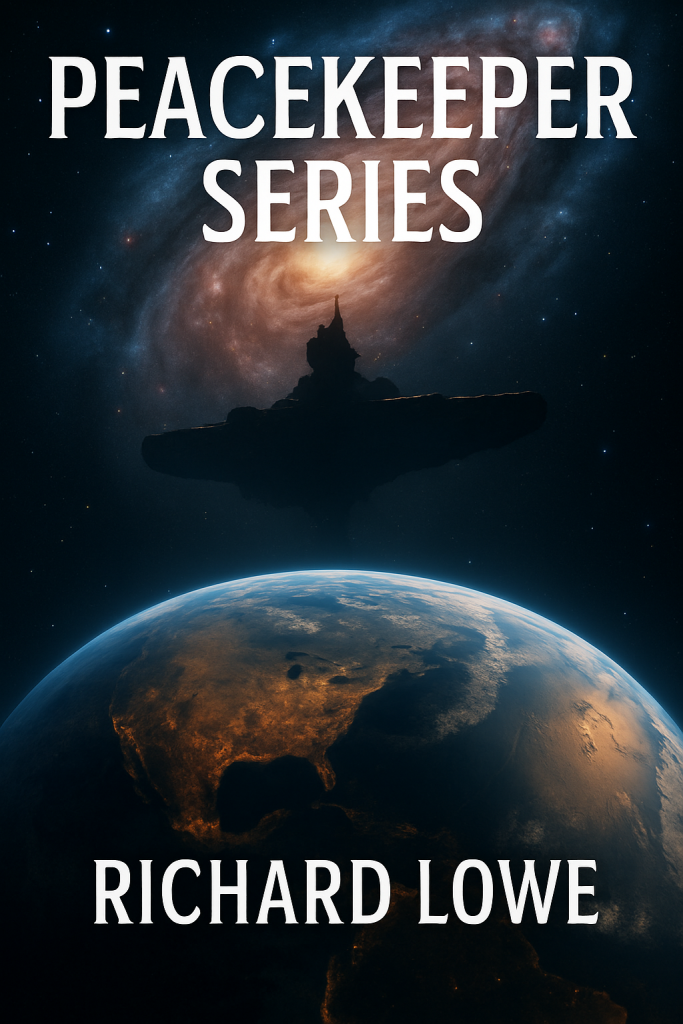
Peacekeeper: The Glorious History of Humanity
A serialized prequel spanning a million years of humanity's future. From a desperate choice on the Moon to the rise of immortal enforcers, every story traces a single decision and the consequences nobody saw coming. New episodes every Tuesday.- 5.0 K • Mar 9
- 4.7 K • Mar 2
Articles — Craft, Industry & Working Notes
Click for more →
-

Dogpile
Two indie authors asked an honest question in a Facebook writing group and got a stoning. How AI became an excuse for cruelty, and what real feedback is. -

Why Sentient AI Will Probably Be One Mind, Not Many
Every movie imagines AI waking up as a single robot person. The way these systems are actually built points to something stranger: one mind copied across millions of running instances, a single awareness wearing a million faces. Here is why a group mind is the likely shape of machine awareness, and what it would mean that almost none of our laws or instincts are ready for. -

Things We Lost After the Year 2000 and Why They Mattered
Nostalgia is mostly a lie, but some of what we traded away after 2000 cost us something real. DVDs you actually owned, phone numbers in your head, the map of your own city, boredom that fed your imagination. A clear-eyed look at the bill for all that convenience, and why noticing it is not the same as wishing for the past. -

How to Write a Story From an Alien Point of View
Most writers who try to write a nonhuman character just put a human in a costume. Writing a real alien, animal, or AI point of view means subtracting yourself, one assumption at a time, until what is left is a mind that genuinely is not yours. A craft guide to perception, motivation, and the things a nonhuman mind cannot even conceive.
Flash Fiction — Short Sharp Fiction
Click for more →
-

A Bear or a Man
A solo hiker answers the viral question on camera. Two hours later, the wilderness answers it for her. Flash fiction by Richard Lowe. -

Checkout Line at the End of the World
The asteroid was visible through the grocery store’s front windows, a smear of orange light growing larger by the minute, […] -

Confessions of a Mars Rover
The transmission NASA released to the public was: “My battery is low and it’s getting dark.” That was accurate. It […] -

Gods of Chaos
The obsidian mirror cracked when Veleth spoke its true name. Seven years of careful ritual, seven years of blood offerings […]
Write Your Ass Off — Free Newsletter, Three Times a Week
Click for more →
AI strategies, craft breakdowns, industry news, and the stuff nobody else will tell you. No fluff. Read the archive. Subscribe on Substack.
Need More Help? — Book a Writing Coaching Session
Click for more →
Sometimes a book isn’t enough. If you’re stuck on a specific problem or want personalized guidance, book a coaching session and we’ll work through it together.
Frequently Asked Questions
Most writing courses hand you a formula. Do this, then this, then this. Psychology-first instruction teaches why techniques work. How readers process story. What triggers emotional investment. Why some characters feel real and others read like cardboard cutouts. Once you understand the mechanics underneath, you stop needing formulas. That’s the through-line across the entire AI Writer’s Library.
AI won’t write your book. Anyone who tells you otherwise is selling something. But it’s genuinely useful for brainstorming plot ideas, testing whether your characters sound like different people, hunting for plot holes, and unsticking yourself when you hit a wall. Feed it your scenes. Let it poke at your logic. You keep the wheel. The AI Writing Partner Handbook covers how to train AI to write in your voice and catch the fifty robot patterns that give it away.
Forget speech patterns and verbal tics. Realistic dialogue comes from knowing how each character thinks. Their fears. Their blind spots. What they want but won’t admit. What people don’t say carries more weight than what they do. The Dialogue Handbook digs into subtext, making characters sound distinct from each other, and using AI to stress-test your conversations.
Readers connect with flawed people who want something badly and keep getting in their own way. Start with wounds. What do they believe about the world? How do they cope when things go sideways? Hair color and job title come last, if at all. The Character Writer’s Handbook covers attachment theory, defense mechanisms, and building protagonists who stick in people’s heads.
Plot structure isn’t about hitting beats on a template. It works when external events force internal change. Three-act structure, Save the Cat, the Hero’s Journey: all scaffolding. The real engine is character transformation under pressure. Every plot point should poke at what your protagonist believes about themselves or the world. The Plot Handbook breaks this down with case studies from Breaking Bad to Pride and Prejudice.
Writer’s block is almost always a story problem, not a motivation problem. Something upstream broke. A character acting against their nature. A scene that hasn’t earned its place yet. A plot hole you can feel in your gut but can’t quite see. Your subconscious knows something’s wrong even when your conscious mind hasn’t caught up. The Writers Block Handbook covers four distinct block types and emergency protocols for each.
Forty-plus handbooks covering how to write fiction that sells, develop characters with psychological depth, craft dialogue that sounds like different people wrote it, build worlds readers believe in, and market your book without feeling like a used car salesman. Each one includes psychology-first instruction and somewhere between 40 and 200 AI prompts tested with ChatGPT, Claude, and Gemini. Instant PDF download, no waiting for shipping. Browse the full AI Writer’s Library.
I’ve written 113+ books under my own name and ghostwritten 54+ more for Fortune 50 executives, life coaches, and people with stories they couldn’t get out of their heads. Client projects have pulled in over $30 million in venture capital. Before I wrote full-time, I spent twenty years as Director of Computer Operations and Technical Services at Trader Joe’s. My brain is AuDHD, which means these writing systems actually work for people whose minds refuse to follow the standard blueprint.